Crushing Waves: an ultimate foil board Guide 2023
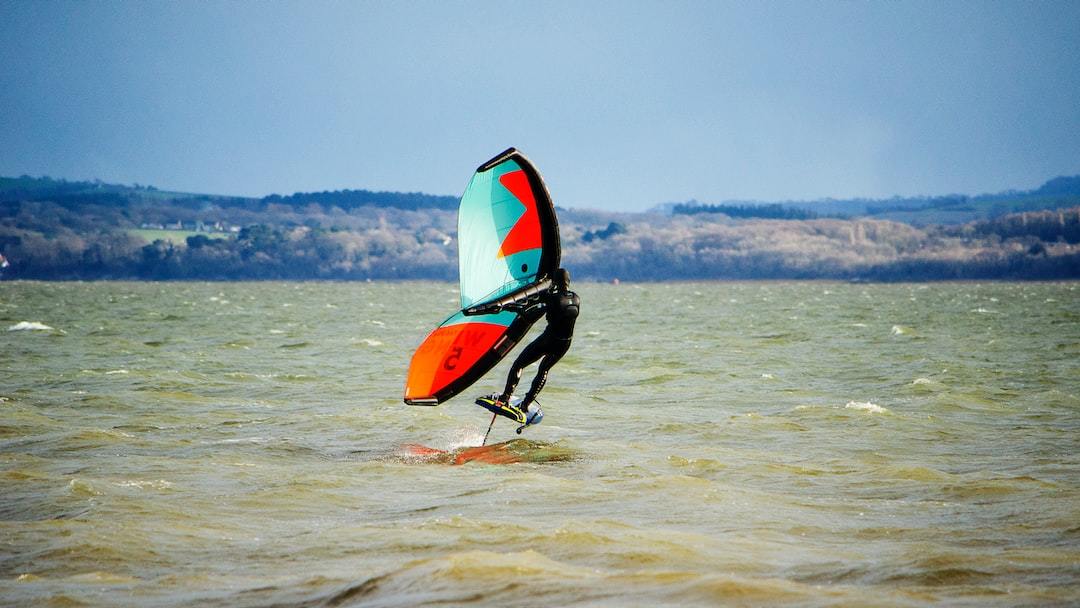
When it comes to the foil board, finding the right equipment and technique can make all the difference in your experience. As an exhilarating water sport that combines elements of surfing, kiting, and hydrofoil technology, mastering foil boarding requires a solid understanding of various aspects.
In this blog post, we will explore how to choose the perfect foil board for your weight – ensuring optimal performance and control while riding waves. We'll also delve into using a foil wing effectively for better maneuverability on the water's surface.
Furthermore, you'll learn proper techniques for standing up with a foil wing to maximize stability during those thrilling rides. Additionally, we will discuss wake Foiling as an alternative approach to traditional surfing methods. Lastly, discover high-aspect foil wings designed specifically for pumping – giving you more power when chasing big waves.
So gear up and get ready to elevate your skills in the world of foil boarding!
Table of Contents:
- Choosing the Right Foil Board for Your Weight
- Foil Board Size and Volume
- Mast Length Considerations
- Board Construction
- Using a Foil Wing
- Standing Up with a Foil Board
- Wake Foiling
- High-Aspect Foil Wings for Pumping
- FAQs in Relation to Foil Board
- Conclusion
1. Choosing the Right Foil Board for Your Weight
Finding the perfect foil board for your needs can be a daunting task, especially with so many options available on the market. When selecting a foil board, it is essential to take into account your weight and other factors. In this part, we will look at how to pick a foil board based on your weight, size and other essential elements.
Foil Board Size and Volume
The size and volume of a foil board are crucial in determining its stability and performance. Generally speaking, larger boards offer more stability but may be harder to maneuver due to their increased surface area. Smaller boards provide better control but require more skill as they tend to be less stable.
- Lighter riders: If you weigh under 150 lbs (68 kg), opt for smaller-sized boards ranging from 4'0" - 5'0". These sizes offer enough buoyancy while still being manageable in terms of maneuverability.
- Average-weight riders: For those weighing between 150-200 lbs (68-90 kg), medium-sized boards around 5'0" -6'0" are ideal choices that balance both stability and control.
- Heavier riders: Riders over 200 lbs (90 kg) should look into larger-sized boards above six feet long or ones with higher volumes designed specifically for heavier individuals.
Mast Length Considerations
The length of the mast also plays an essential role in selecting an appropriate foil board setup. Longer masts allow greater clearance between the wing and the water, providing more room for error and making it easier to navigate through choppy conditions. However, they can be more challenging to control for beginners. Shorter masts are ideal for those new to Foiling as they offer better stability and responsiveness but may limit your ability to ride in rough waters.
Board Construction
Foil board construction materials impact the overall performance of the board. Carbon fiber boards are lightweight and highly responsive but can be expensive compared to other options like foam or fiberglass constructions. Foam core boards provide a softer feel underfoot, which is great for beginners learning how to foil, while fiberglass offers a balance between weight and durability at an affordable price point.
In conclusion, when choosing a board based on your weight, consider factors such as size, volume, mast length, and construction material. By taking these aspects into account along with your skill level and preferred riding style, you'll find the perfect board that meets all of your needs.
When choosing a board, consider your weight and skill level. Lighter riders should opt for smaller-sized boards, while heavier riders should look into larger-sized boards or ones with higher volumes designed specifically for them. Additionally, the length of the mast and construction material also impact the overall performance of the board.
Using a Foil Wing
Learning how to use a foil wing can significantly enhance your foil boarding experience, allowing you to catch more waves and perform impressive maneuvers. In this section, we will provide an overview of the different techniques involved in using a foil wing effectively.
Choosing the Right Foil Wing Size
The size of your foil wing is crucial for optimal performance. The right size depends on factors such as wind conditions, rider weight, and skill level. As a general rule of thumb:
- Light Wind Conditions: Opt for larger wings that generate more lift and make it easier to get up on the board.
- Moderate Wind Conditions: Choose medium-sized wings that offer stability while still providing enough lift.
- Strong Wind Conditions: Select smaller wings with less surface area to prevent being overpowered or losing control at high speeds.
Hand Positioning on the Foil Wing Handles
To maintain proper control over your foil wing, ensure correct hand positioning on its handles:
- Your front hand should grip the handle closest to the leading edge of the wing.
- Your backhand should be placed further back along one of two rearward handles depending upon personal preference and comfort.
Launching Your Foil Board with a Foil Wing
To launch successfully with your foil board and wing:
- Your wing has three handles: a small neutral handle on the leading edge and two larger handles on the belly.
- With your back to the wind, position your board in a perpendicular direction.
- Hold onto your foil wing with the small neutral handle on the leading edge and stand quickly (alternatively, you can brace yourself by pushing the wing down into the water to lift yourself up.)
- Holding the wing away from your body work on balancing on the board.
- You control the wind power in your wing by pulling in or letting out the bottom handle.
- When you feel a gust of wind at your back pump the wing by pulling it down and toward you three times. As you start moving lean forward to go faster and your board will lift out of the water.
- These are the basics: wash, rinse, and repeat.
Mastering Foil Wing Techniques
Once you're comfortable with standing up and launching on your foil board, focus on mastering these essential techniques:
- Gybing: Learn how to change directions smoothly by switching your feet' position and rotating the wing.
- Tacking: Practice turning into the wind by stepping forward on your board while simultaneously shifting hand positions.
This section provides an overview of using a foil wing for optimal performance in different wind conditions, correct hand positioning on the handles, launching techniques, and essential maneuvers like gybing and tacking. Choosing the right size of your foil wing is crucial to enhance your overall experience while mastering these techniques can help you catch more waves and perform impressive maneuvers.
3. Standing Up On Your Foil Surfboarding
Learning how to stand up on your foil board can be challenging, but with the right techniques and practice, you'll soon master this exciting water sport. In this section, we will discuss some tips for getting started and standing up confidently with your foil board.
A. Start in Shallow Water
Beginners should start practicing in shallow water where they can easily touch the bottom. This allows you to get comfortable handling the foil board without worrying about deep water or strong currents.
B. Position Your Feet Correctly
Your foot placement is crucial when learning how to stand up hydrofoil surfing. Place your front foot near the center of the board and slightly towards its nose, while positioning your back foot over or just behind the mast's base plate (where it connects to the board). This stance provides stability as you begin lifting off from the water's surface.
C. Hold On When Foil Surfing
When foil surfing, during takeoff, hold onto its rails with both hands and keep your elbows bent. This will help you balance and steer the board as you ride the waves.
D. Gradually Lift Off Using Your Body Weight
- Kneel: Begin by kneeling on your board while maintaining a grip on its rails.
- Pull: Gently push down on the board's nose, allowing the board to create an upward lift.
- Stand: As you feel the board starting to rise, slowly shift your weight onto your front foot and stand up. Make sure to keep a slight bend in both knees for added stability.
E. Practice Makes Perfect
Standing up on your board takes time and practice, so don't get discouraged if it doesn't happen right away. Be patient with yourself as you learn this new skill, and consider taking lessons from experienced instructors who can provide personalized guidance on proper technique.
Incorporating these tips into your practice sessions will help you build confidence while standing. Remember that everyone learns at their own pace - stay persistent, have fun, and enjoy the thrill of riding waves as your skill improves.
Learn how to stand up on a foil board with these tips and techniques. Start in shallow water, position your feet correctly, hold onto the board properly, gradually lift off using your body weight, and practice makes perfect. Remember to be patient with yourself as you learn this new skill, and have fun riding waves.
4. Wake Foiling
Wake Foiling is an exciting and relatively new water sport that combines the thrill of wakeboarding with the smooth gliding sensation of hydrofoils. In this section, we'll outline the basics of wake foiling, including how to pump and what equipment is needed.
A. Equipment for Wake Foiling
To get started with wake foiling, you'll need a few essential pieces of gear:
- Foil board: A specialized board designed specifically for hydrofoils.
- Hydrofoil setup: This includes a mast, fuselage, front wing, and rear stabilizer.
- Tow rope or handle: Used to hold onto while being pulled behind a boat or jet ski.
- Life vest (PFD): Safety first. Always wear a life jacket when participating in any water sports activity.
B. Learning How to Pump on Your Foil Board
Pumping your foil board helps generate speed without relying solely on external forces like waves or wind power. To master pumping technique:
- Maintain proper body position: Keep your knees slightly bent and lean forward from your hips rather than bending at the waist. This will help maintain balance as you move up and down during each pump motion. Your arms should be extended out in front of you, holding onto the tow rope. The majority of your weight should be centered over your back foot, which is placed near the tail end of the foil board.
Wake Foiling is a great way to experience the thrill of riding waves and create lift in a controlled environment. While it shares some similarities with traditional surfing and kite surfing, wake Foiling is a unique sport that requires its own set of skills and equipment. With the right gear and a commitment to safety, you can enjoy the excitement of wake foiling without putting yourself or others in danger.
5. High-Aspect Foil Wings for Pumping
If you're looking to maximize your pumping performance on a foil board, high-aspect foil wings are the way to go. These wings offer numerous advantages over their low-aspect counterparts, making them ideal for those who want to take their foiling experience to new heights.
Benefits of High-Aspect Foil Wings
- Efficiency: With a larger surface area and thinner profile, high-aspect wings generate more lift with less drag. This means you can pump with greater ease and maintain speed for longer periods.
- Glide: The increased efficiency also translates into improved glide capabilities. As a result, riders can cover greater distances while expending less energy.
- Pumping Performance: Due to their design characteristics, high-aspect wings allow for better pumping action compared to low-aspect options. They provide an optimal balance between stability and responsiveness that enables smoother transitions between pumps.
Finding the Right High-Aspect Wing
Selecting the best high-aspect wing depends on factors such as your skill level, riding style, and preferred conditions. Here are some recommendations based on these criteria:
- GoFoil NL Series: Ideal for advanced riders seeking maximum performance in both flat water and waves; available in various sizes depending on rider weight and desired lift levels.
- Axis HPS Range: Suitable for intermediate-to-expert foilers interested in boosting airtime and pumping efficiency; offers a wide range of wing sizes to accommodate different rider preferences.
- Slingshot Phantasm: Designed for riders of all skill levels, this versatile high-aspect wing provides excellent stability and glide performance in various conditions.
Tips for Pumping with High-Aspect Wings
To make the most out of your high-aspect foil wings, keep these tips in mind:
- Practice good body positioning: Keep your chest up, knees bent, and weight centered over the board. This will help you maintain balance while pumping efficiently.
- Use proper foot placement: Place your front foot near the centerline of the board and slightly forward from its midpoint. Your back foot should be positioned over or just behind the mast base. Experiment with different stances to find what works best for you.
- Maintain rhythm: Focus on maintaining a consistent rhythm when pumping - think about driving through each pump with power while also allowing time for recovery between strokes.
High-aspect foil wings are recommended for those who want to maximize their pumping performance on a foil board, as they offer improved efficiency, glide capabilities, and pumping action compared to low-aspect options. The best high-aspect wing depends on factors such as skill level, riding style, and preferred conditions; some recommendations include the GoFoil NL Series, Axis HPS Range, and Slingshot Phantasm. To make the most out of these wings when pumping, it's important to practice good body positioning, use proper foot placement and maintain rhythm.
FAQs in Relation to Foil Board
Why Use a Foil Board?
Foil boards provide a unique and exhilarating experience for water sports enthusiasts. They allow riders to glide smoothly above the water, reducing drag and enabling higher speeds. Additionally, foil boards perform well in various conditions, including choppy waters and lighter winds, making them versatile options for kiting, surfing, or wakeboarding.
Is Foil Surfing Dangerous?
Is Foil Surfing Dangerous?
Foil surfing, also known as hydrofoil surfing, is a relatively new water sport that has gained popularity in recent years. It involves riding waves on a board equipped with a hydrofoil, which creates lift and allows the rider to glide above the water's surface.
The Risks of Foil Surfing
Like any extreme sport, foil surfing does come with some risks. One of the main dangers is falling off the board at high speeds and colliding with the sharp edges of the foil. This can result in serious cuts or even impalement.
In addition to this risk, there is also a chance that you could collide with other surfers or swimmers if you lose control of your board while riding waves.
Safety Precautions for Foil Surfing
To minimize these risks and enjoy foil surfing safely:
- Always wear protective gear such as helmets and impact vests when foiling.
- Avoid crowded areas where there are many people in close proximity to each other.
- Start by learning how to ride on small waves before attempting bigger ones.
- Maintain proper distance from others while riding waves to avoid collisions.
The Benefits of Foil Surfing
Despite its potential dangers, many people find that foil surfing offers an unparalleled experience, unlike any other type of water sport. The feeling of gliding effortlessly above the water's surface is truly exhilarating!
Lift Foils: Leading Provider for Safe Hydrofoil Boards
For those looking for safe options when it comes to hydrofoil boards - Lift foils provides top-quality carbon fiber boards designed specifically for safe and efficient foil surfing. Their front wing design allows the board to float above the water, reducing drag and making it easier to ride waves. Additionally, their rear wing provides stability during turns and maneuvers.
If you're new to foil surfing or looking to foil surf safely, consider investing in a Lift Foil board today!
Are Hydrofoil Boards Worth It?
Hydrofoil boards can be worth the investment if you're seeking new challenges in your favorite water sports. They offer an exciting way to explore different techniques while improving your balance and coordination skills. However, they may require more practice than traditional surfboards or kiteboards due to their distinct riding style.
Are Surf Foils Harder Than Traditional Surfing?
Foil surfing has its own set of challenges compared to traditional surfing but is not necessarily harder overall. It requires mastering specific techniques such as balancing on the hydrofoil wing and learning how to pump effectively for propulsion. With proper guidance and consistent practice sessions, many individuals find quick success with this thrilling sport.
Is Foil Boarding Easy?
Boarding may have a steeper learning curve initially compared to other water sports due to its unique mechanics; however, with dedication and persistence in practicing essential skills like maintaining balance on the hydrofoil wing while standing up or pumping efficiently for speed generation - most people eventually find it manageable yet highly rewarding.
Conclusion
In conclusion, choosing the right board for your weight is crucial to enjoying this thrilling water sport. It is important to note that using a foil wing and standing up with it takes practice but can be mastered with time and dedication. Wake Foiling is another exciting way to ride the waves, while high-aspect foil wings are great for pumping.
Explore The Gear Tracker for a broad range of superior boards and add-ons at affordable prices if you're eager to take on foil boarding or want to upgrade your equipment.
Ready to take on the waves? Visit The Gear Tracker today!